


Per- and Polyfluoroalkyl Substances (PFAS)
 Per- and polyfluoroalkyl substances (PFAS) are a family of chemicals used since the 1950s to manufacture stain-resistant, water-resistant, and non-stick products. PFAS are widely used in common consumer products as coatings, food packaging, outdoor clothing, carpets, leather goods, ski and snowboard waxes, and a wide array of consumer and industrial products. PFAS stays in the environment for a long time and does not break down easily. As a result, PFAS are widely detected in soil, water, air, and food. Some PFAS can accumulate in the food chain. Exposure can occur when someone uses certain products that contain PFAS, eats PFAS-contaminated food, or drinks PFAS-contaminated water. When ingested, some PFAS can accumulate in the body, and over time they may reach a level at which health effects could occur.
The Evolving Science of PFAS Health Risks
Studies indicate that exposure to sufficiently elevated levels of certain PFAS may cause a variety of health effects, including developmental effects in fetuses and infants, effects on the thyroid, liver, kidneys, certain hormones, and the immune system. Some studies suggest a cancer risk may also exist in people exposed to higher levels of some PFAS compounds. Scientists and regulators are still working to study and better understand the health risks posed by PFAS exposure. Massachusetts Department of Environmental Protection (MassDEP), the state's regulatory agency for drinking water, notes in its fact sheet on PFAS that consuming water with PFAS-6 above the drinking water standard does not mean that adverse effects will occur. The degree of risk depends on the level of the chemicals and the duration of exposure. The drinking water standard assumes that individuals drink only contaminated water, which typically overestimates exposure, and that they are also exposed to PFAS-6 from sources beyond drinking water, such as food. MassDEP is closely following developments in this burgeoning area.
There is some debate in the industry on the level of PFAS in drinking water that may cause health concerns. The EPA has not yet set a regulatory level, but has set a health advisory level of 70 parts per trillion for PFAS. Massachusetts has taken a more cautious stand and set a drinking water standard of 20 parts per trillion for PFAS-6, which is the sum of six common PFAS chemicals.
The Pond Street water treatment plant has periodically exceeded the Massachusetts standard, largely in the summer months. The Beal and Broadway plants have remained below the standard. All of the Town's test results are listed in the table below. The most recent PFAS test values are shown at the top of this page.
Most Recent PFAS6 Test Results
Sample Date | Location | PFAS6 (Parts per Trillion) | Regulatory Limit (PPT) |
|---|---|---|---|
| June 25, 2026 | Pond Street Treatment Plant | 10 | 20 |
| October 28, 2025 | Beal Treatment Plant | 9 | 20 |
| October 28, 2025 | Broadway Treatment Plant | 11 | 20 |
Note: The PFAS6 regulatory limit is based on a quarterly average.
Low PFAS Water Spigots at the Broadway Water Treatment Plant (Free of Charge)
Since water demand is too high to take the Pond Street WTP offline, we have made spigots available on the front of the Broadway WTP, located at 507 Broadway, where PFAS levels are under the state regulatory limit of 20 ppt (Broadway PFAS results, April: 6.61 ppt, May: 6.46 ppt, July: 8.20 ppt) to provide a source of drinking water for residents who may be concerned by the elevated test results at Pond Street. These spigots are available free of charge during posted hours (currently 8 am to 8 pm, 7 days a week).
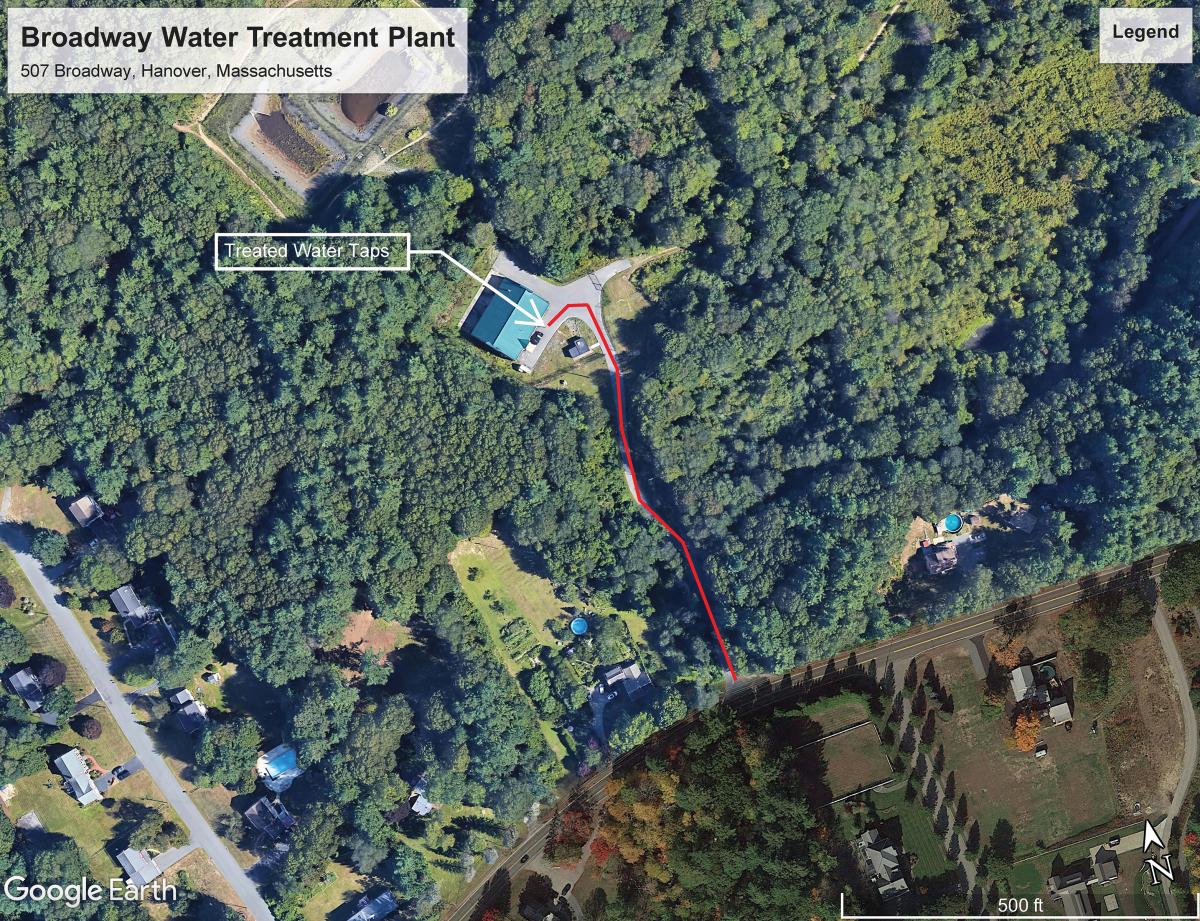 Broadway Water Treatment Plant | 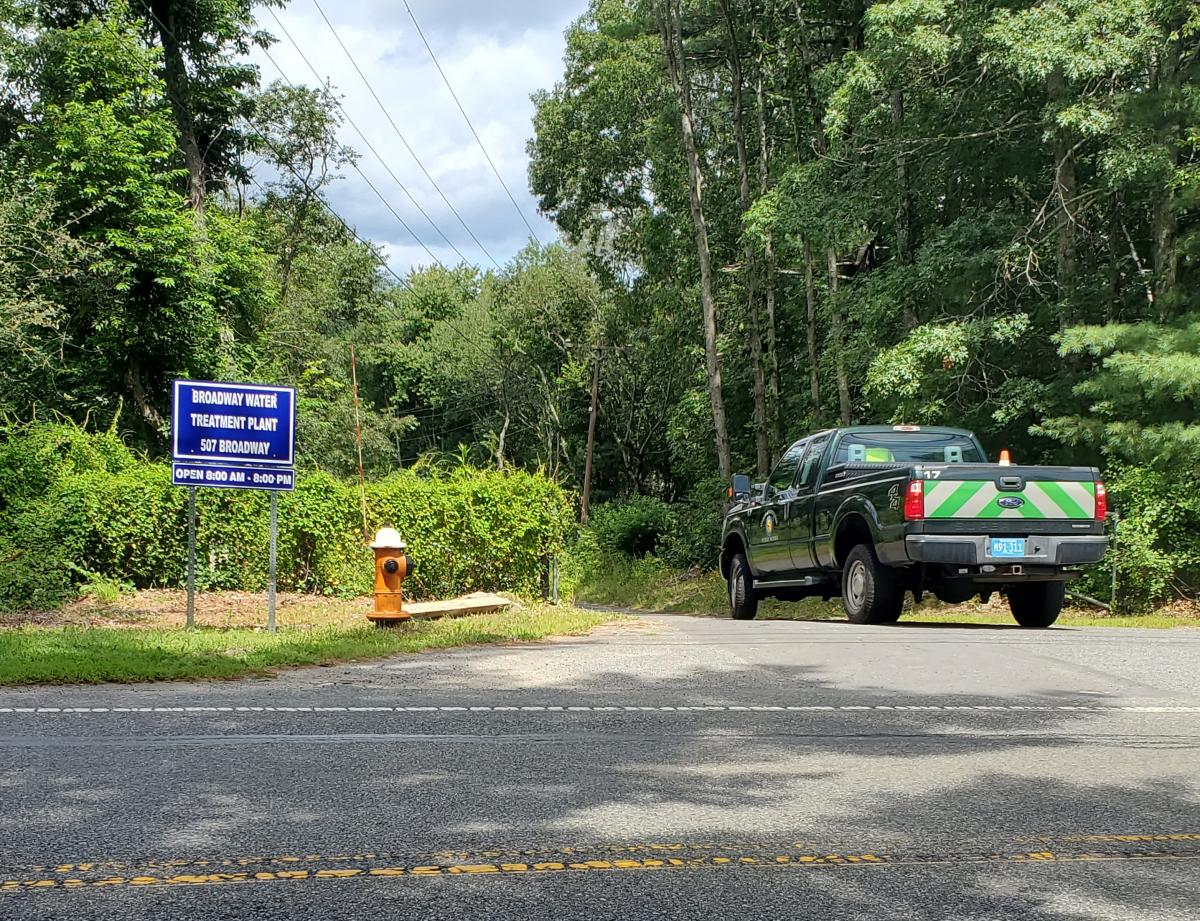 Broadway Sample Station Entrance | 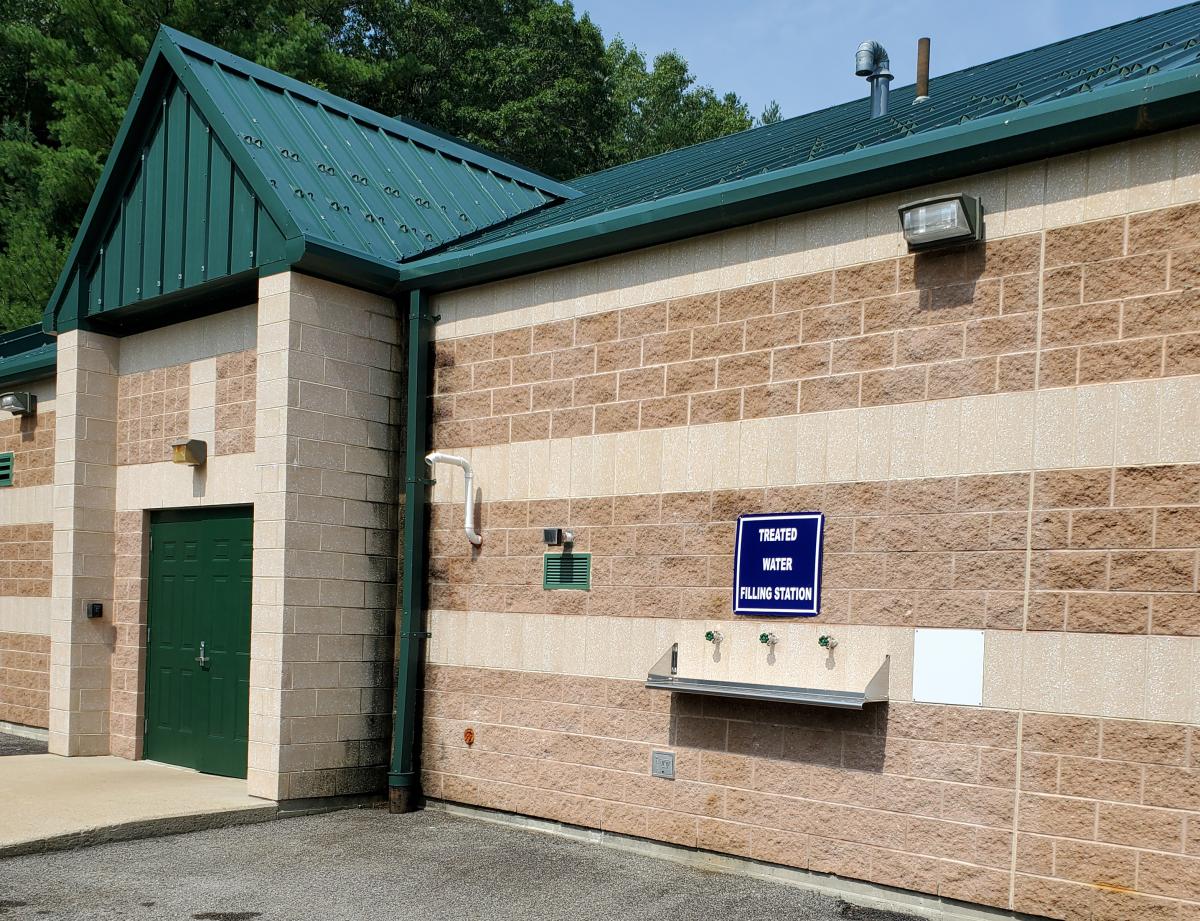 Broadway Sample Station |
Resources
- Commonwealth of Massachusetts PFAS Interagency Task Force
- EPA's PFAS
- Hanover's Complete PFAS Test Results
- Massachusetts Waterworks Association, Safewatermass.org Project
- MassDEP's PFAS
- PFAS Point-of-Use Treatment System Study
Questions?
If you have questions, please contact Adam Flood, Deputy Superintendent of Public Works (Water Operations), at 781-826-3189.