


Tick Season Is Here: Take Steps to Protect Yourself 7/21/26
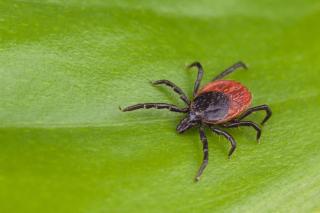
As Hanover residents enjoy gardening, hiking, walking their dogs, playing outdoors, and spending time in their yards, it is important to remember that ticks are also active. Ticks may be found in wooded, brushy, and grassy areas, including residential yards, and can carry illnesses such as Lyme disease, babesiosis, and anaplasmosis. Visit Hanover's mosquitoes and ticks resource for additional information.
In Massachusetts, the risk of tick bites is generally highest from late spring through the summer, particularly during May, June, and July. During this period, young blacklegged ticks, known as nymphs, are especially active and may be difficult to spot because of their small size. However, ticks may remain active into the fall and during mild winter weather, so residents should continue taking precautions whenever spending time outdoors.
Protect yourself and your pets
A few simple precautions can help protect you, your family, and your pets:
- Avoid tall grass, brush, and leaf litter when possible, and walk near the center of trails.
- Wear light-colored clothing, long sleeves, long pants, and closed-toe shoes. Tucking pants into socks can provide added protection.
- Apply an EPA-registered insect repellent, such as one containing DEET or picaridin, according to the product instructions.
- Treat clothing and outdoor gear with products containing 0.5% permethrin. Permethrin should not be applied directly to the skin.
- Check yourself, children, and pets carefully after spending time outdoors. Pay close attention to the scalp, behind the ears, under the arms, around the waist, behind the knees, and between the legs.
- Shower soon after returning indoors and place clothing in a dryer on high heat to help kill ticks that may be hiding in clothing.
What to do if you find a tick
If you find an attached tick, remove it promptly using fine-tipped tweezers. Grasp the tick as close to the skin as possible and pull upward with steady, even pressure. Clean the bite area and your hands afterward.
Monitor the area and watch for symptoms such as an expanding rash, fever, chills, headache, fatigue, or muscle and joint pain. Not every Lyme disease rash has the familiar “bull’s-eye” appearance. Always remember to contact your healthcare provider if symptoms develop or if you have questions about a tick bite.
Learn more
Residents are encouraged to remain tick-aware throughout the season while continuing to enjoy Hanover’s parks, trails, neighborhoods, and other outdoor spaces safely. Visit the Massachusetts Department of Public Health.